
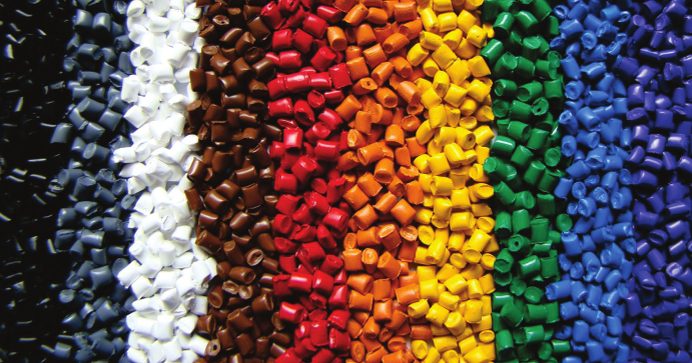
Lot-wise traceability means every finished plastic product, whether a fabric roll, a bale of sacks, a bundle of pipes or a carton of caps, can be traced back to the resin, masterbatch and additive lots it was made from. It also works the other way: any material lot can be traced forward to the customers who received products made from it.
Why it matters in plastics
Plastic products take their properties from their raw materials and their recipe. A resin lot with a different melt flow, a masterbatch with the wrong UV loading or a blend with too much regrind can show up weeks later as weak tapes, brittle pipes or faded bags. When a complaint arrives, the questions are always the same: which lots went into this batch, what else was made from them, and where did it go?
How it works from receipt to dispatch
- Receipt. Each resin, masterbatch and additive delivery is recorded with grade, supplier lot and weight, and labelled with a barcode.
- Recipe and mixing. The job's recipe is issued, and the actual weights used are booked against the lots consumed, including any regrind.
- Processing. Tapes, jumbo rolls, pipe batches or molded parts are created in the system with the line, shift and run they came from.
- Splits and conversions. When a jumbo roll is slit, a fabric roll is laminated or tapes are woven, the new item keeps a link to its parent.
- Testing. Test results are stored against the roll, batch or lot, and failed material is held.
- Dispatch. Bales, rolls, bundles or cartons are packed with labels that carry their batch, and the dispatch records which customer received them.
Why paper and spreadsheets break down
Traceability fails at the joins: the mixing sheet that doesn't match the GRN, the roll number written differently on two registers, the regrind nobody weighed. Each manual hand-off is a chance to lose the link. An ERP that captures the data at each step, ideally from scales and barcodes rather than typing, keeps the chain unbroken.
What you can do with it
- Answer a customer complaint with the full history of the batch in minutes.
- Hold every product made from a suspect resin lot before it ships.
- Compare test results by supplier lot to see which material performs best.
- Prove what went into a product when an auditor or a large customer asks.
Lot, batch and roll: the words plants use
Different plastic processes use different words for the same idea. A resin delivery has a lot number from the supplier. A mixer or dosing run is a batch. A woven, non-woven or geosynthetic line produces rolls; a pipe line produces bundles or coils; a molding shop produces cartons or pallets. Traceability simply means every one of these identities is recorded and linked to the one before it.
What to record at each split
Traceability breaks wherever one thing becomes several, or several become one. Those are the points to get right:
- Blending: several material lots become one batch. Record every lot and its weight.
- Slitting and cutting: one jumbo roll becomes several slit rolls, or one fabric roll becomes many bag panels. Record the parent on every child.
- Lamination and coating: film and fabric rolls become one laminated roll. Record both parents.
- Packing: many pieces become one bale, bundle or carton. Record the batches inside it.
A worked example
Suppose a customer reports that bags from one delivery are fading in the sun. With lot-wise traceability you open the delivery, see the bales shipped, the bag lot they came from, the fabric rolls cut for that lot, the tape batches woven into those rolls and the UV masterbatch lot used at the tape line. You can then check that lot's test results and find every other customer who received bags made with it, before they call you.
Common gaps to close
- Regrind added to a batch without recording where it came from
- Roll numbers written by hand and typed in later, with mistakes
- Test results kept in a lab register that is not linked to batches
- Mixed bales or cartons with no record of what is inside
Formezy records lots at receipt, links them through recipes, production and splits, and stores test results against the finished item, so traceability comes from the work your plant already does. See how it maps to your process on our industry pages.


